SO CAL SURF DOGS
 |
Training TipsEach month we will post a new Training Tip provided by Colleen Demling, owner of 'Pawtopia Dog Training'. |
 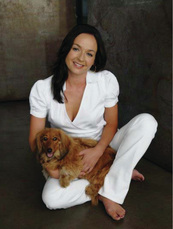 |
Colleen Demling, founder of Pawtopia, is a pooch-loving pro with years of experience and trainings under her belt.
She’s proud of her 7000+ hours of hands-on dog training experience in a variety of methodologies with all kinds of dogs, big and small. She’s also one of only a handful of trainers in San Diego that is a Certified Pet Dog Trainer (CPDT) and an AKC Canine Good Citizen Evaluator. Colleen’s got the expertise and reputation to rescue you from all your dog worries! Her company, Pawtopia, does not believe in following a single method to train dogs. Instead they believe that, like people, all dogs learn differently. She wants all of their clients to be successful so she will meet with you and your dog and discuss your goals. She then uses her dog training expertise and knowledge of different methodologies to develop a personalized training program that fits you and your pet. Pawtopia provides group classes and private training throughout San Diego County. You can click on her logo on the left to go to her website for more information. |
|
September, 2013
|
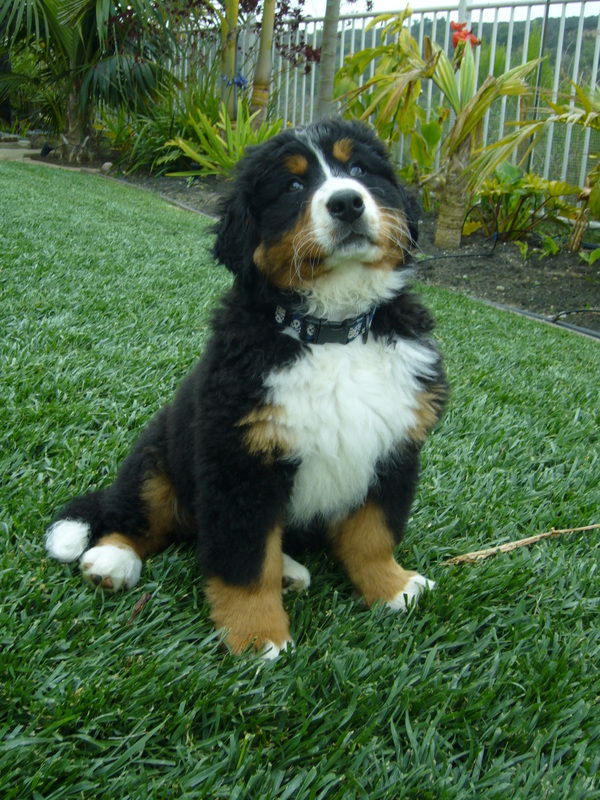
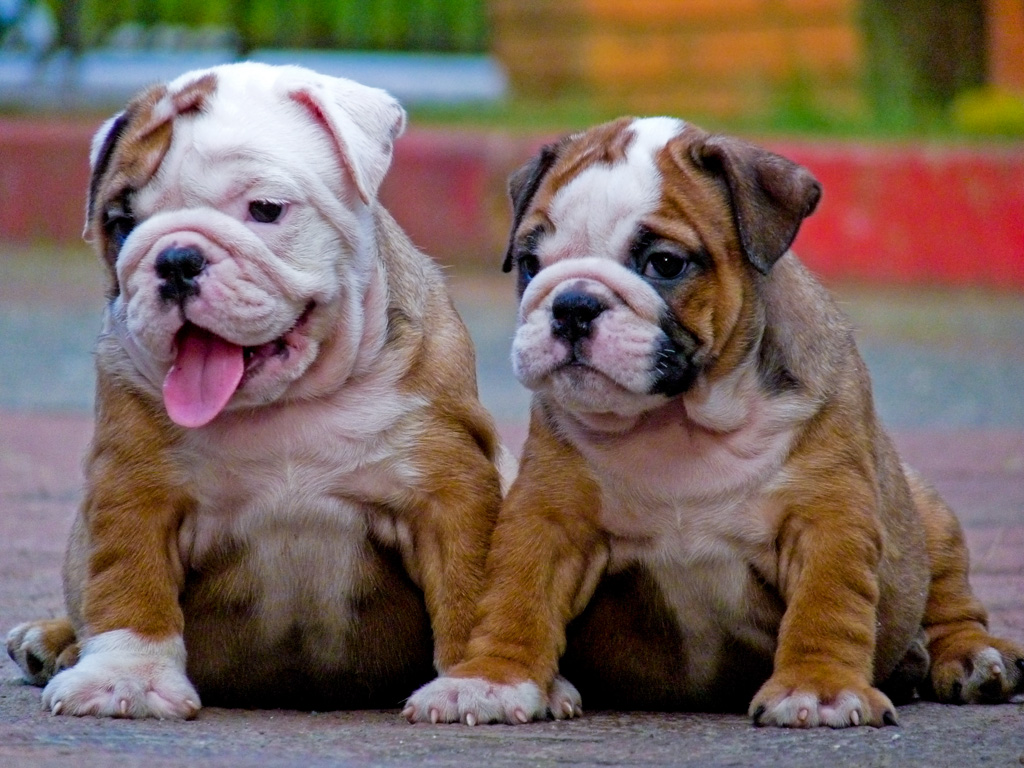
Puppy Socialization 101
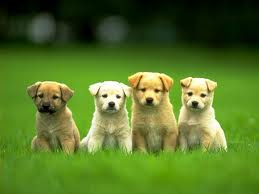
It's a big, loud, exciting world out there for puppies. So it's never too early to start working with your puppy so he grows up well adjusted, good natured, and gracious in social situations. Here are six basics for socializing your puppy... 30 experiences in 30 days. Don’t miss out on important socialization opportunities in the first weeks of life. Give them one new experience, sound, or person to meet every day for 30 days. One day, give them a dance party and acquaint them to music. Another day let them hear the sound of a kitchen appliance like the blender or cake mixer, and so on. By introducing every day activities and sounds slowly over the course of the month, you’ll reinforce your puppies’ confidence and not flood them with too many potentially scary experiences all at once. Frequent Field Trips! In the first several months of your puppy’s development, she’s getting used to a lot of new sights, sounds and smells. It’s an exciting time to be alive! But I can also be scary when you’re little. Once your puppy has had all her vaccinations, capitalize on her natural curiosity by taking her on frequent field trips. Your puppy will be more likely to be more anxious and fearful if they never experience life outside the comfort zone of their crate or your backyard. Take them to the pet store or the park. By exposing them to a variety of places, smells and landscapes early on will give them confidence that will translate in a more even temperament in adulthood. Network and mingle. Introducing your puppy to a variety of friends and acquaintances will encourage a healthy connection with people. Have friends and family over for a dinner party so your puppy gets used to strangers being in your home. Take your puppy with you when you greet guests at the door to encourage your dog to feel at ease with visitors. Taking the time early on to include your puppy in your social time with friends will ensure she grows up to have healthy relationships with people. Set a Play Date. It is just as important to socialize your puppy with other dogs as it is to social her with other people. If you have other dogs already, it will be easier. The most important thing to remember when socializing puppies with other dogs is to make sure they are introduced in a safe, supervised environment. If you can socialize them with other gentle, well-mannered dogs early and often, they will be more likely to enjoy interaction with other dogs rather than fear it. Turn up the noise! Loud sounds and sudden movements can startle dogs and make them anxious. But there are a lot of noises that are just a natural part of daily life – and it’s important to acclimate your puppy to those things early to build their confidence and help them feel safe in a world of noise. Some helpful hints: vacuum near your puppies crate often, let them watch television and listen to music with you, ride in the car with the windows down, etc. Just be sure to introduce these activities slowly, paying attention to your puppies’ first reactions. If your puppy is naturally timid and fearful, loud noises can be traumatic. Fasten your seat belt, it’s gonna be a bumpy life! Some dogs have a hard time with motion sickness, or experience tremendous anxiety when they have to travel in cars. One way to keep these issues from developing in your new puppy is to take her on frequent car rides early on. Some owners will put their puppy’s crate on the washing machine while it’s running to get them used to motion and sound. The more you can acquaint you puppy with the sensation of motion, the more likely she’ll be at ease traveling. Again, take care in making sure your puppy isn’t being traumatized by these experiences, and ease them into them over time. Most importantly, when introducing your puppy to new sounds and experiences, do not reinforce their fear coddling. Instead, when they experience fear, turn it into a party! Become animated and playful to indicate that this should be a fun experience rather than a scary one. The key to having a dog that is well mannered and even-tempered is building confidence. By exposing your dog to environments and situations that are a part of everyday life early, they learn quickly that they are safe and cared for. That confidence will translate into healthy behaviors for the rest of their lives! |
June, 2013
|
I’m taking my dog to day care. Any hints on how to make sure she
is successful? Daycare facilities can provide a great outlet for a pup’s excess energy as well as give her the opportunity with other like minded canines. To help your pup succeed follows these tips: Play it Cool It will be thrilling to see your pup at the end of the day but remember that if you get really excited, so will she which may cause her to jump, bark, or yank on the leash. Then if you correct her for these naughty behaviors it really isn’t fair since you were the one that got her excited in the first place! Instead stay calm when you see your dog. This will help her be calm too. Be Polite Most dogs LOVE daycare and can’t wait to get there! But if your pup drags you out of the car, into the lobby, and then jumps on every person she sees she is less likely to behave herself during daycare. As a result, have your pup sit 5 times between the car and the front door of the day care. If she starts to pull you, say No, and stop. Once there is slack in the leash, start walking again and praise her. It may take you a little extra time but it will ensure she has a great day at daycare! Clear Communication Make sure to always fully communicate with the day care staff. Does your dog seem a little off today? Did she get in a minor scuffle at the dog park over the weekend? Does she have a new found obsession for balls? Has there been any change in health or behavior at home? If so, tell the staff. This will make sure they adjust anything they need to, to ensure that your pup has a great day. |
November, 2012
|
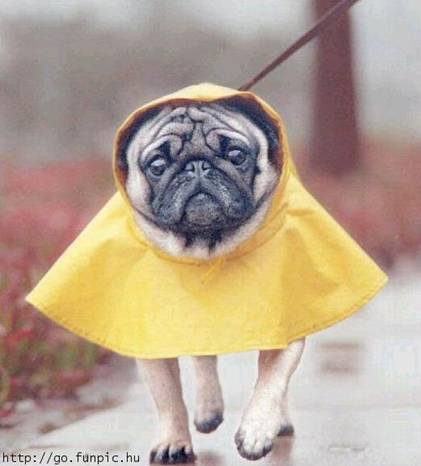
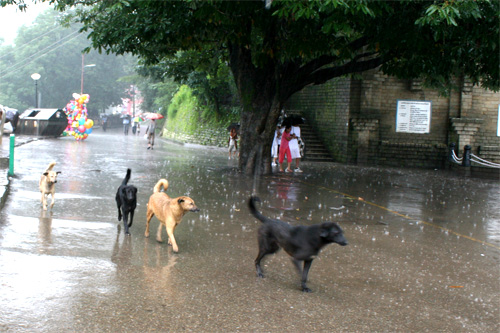
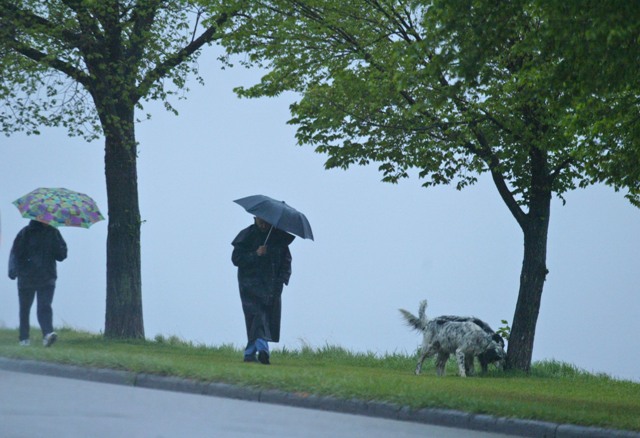
RAIN
During the rain storm a couple weeks ago, my puppy wouldn't go outside and then he had a couple of accidents in the house. I know rainy season is coming so how can I prepare him? Dogs in San Diego are as spoiled by the good weather as we are so when it rains getting them to go potty outside can be a battle that may end up with them peeing inside the house. Here are 5 tips to make those rainy days not so stressful and wet for you, your pup, and your carpet. Go Potty! Go potty! This starts way before the storm comes but it is critical to teach your pup to pee on command so when it’s raining and you put him outside he has an idea of what it is you want him to do. To teach this, take your dog outside to an area where he normally pees, as he is sniffing tell him to “go potty”. Once he starts to go, say “good potty”. When he finishes, throw him the biggest puppy party ever! It will take him several weeks for him to learn to go on command but all that hard work will pay dividends when it’s raining! Get your rain gear on! When it rains, we like to shove our dogs out the backdoor and stand inside convincing them to go potty but they stand right by the door trying to convince you to let them back in! So get on your raincoat and go outside with your dog. Once the dog is in the middle of the yard he is more likely to go. And as much as you and he may hate it, you may also have to walk him. The exercise will not only stimulate his bladder but once he senses you’re serious he will get down to business. Get him use to wet grass. Except for a few rainy months, our pups never have to walk or pee on wet grass. Imagine how you would feel walking barefoot on wet grass if you've never felt it before! So during the dry summer, encourage your dog to potty on the grass right after it is watered. If he gets used to the feeling, the peeing in the rain is no big deal. On leash! Some dogs will go on strike when the weather turns despite our best efforts. If your pup does this, you must keep him on leash when he is in the house with you. Even a dog that has been housebroken for years will sneak off into a guestroom to use the bathroom if given the chance. If he refuses to go outside, keep him with you and then take him outside again an hour later. Eventually Mother Nature will give in and he will have to go in the rain. Look for cover. If it’s pouring outside we can also encourage our dogs to potty under some cover like a roof ease. Also, different services like wood-chips or rocks may be easier for our pup to pee on the grass and dirt. |
October, 2012
|
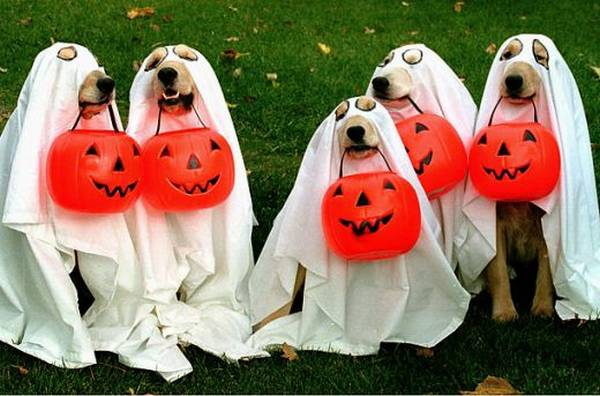
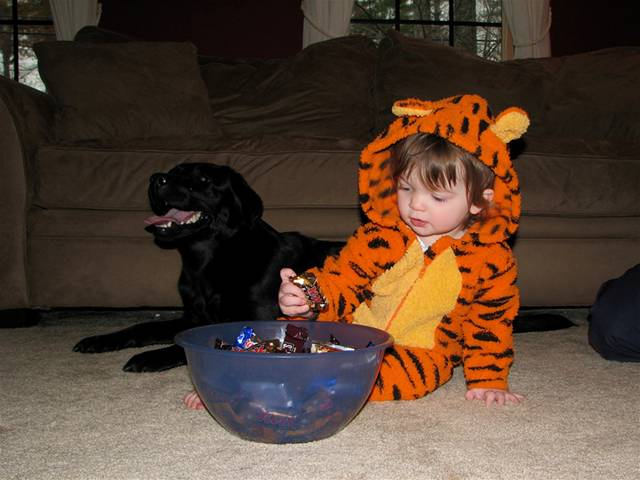
Halloween is just around the corner!
Halloween is just around the corner and although all of the ghosts and goblins can be fun for kids and adults alike, Fido may have a different perspective! Below are 5 tips to make sure your dog has as much fun as you do! Are you laughing with him or at him? You may think the hottest new dog costume is great but unless your pup is use to wearing dog clothes, he may not understand the appeal of becoming a pumpkin or ghost for a night. Your dog will probably be under enough stress with all of the trick or treaters coming to the door that you should resist dressing him up unless he really seems to like it. Ignore the sweet tooth. Kids love to get candy for Halloween which means there will be lots of chocolate around the house. But remember that chocolate is toxic to dogs so make sure all candy is out of reach. If you want to make sure Fido gets some treats from the local pet store or make some special dog cookies at home! Beware of the door! Seeing all the costumes can be fun but having so many people come to the door can be stressful to your dog-especially when its superman, a vampire, and a power ranger. Make sure your dog is locked in a separate room or is wearing a leash so he doesn’t sneak out when the door is open! Make sure dogs are wearing current ID tags in case they do get out. Walk Early. Make sure to take your dog out on a long walk before dusk. It will make sure he is well exercised and tired before the festivities begin but it will also make sure you avoid any early trick or theaters, since your dog may not understand why the neighborhood kid he loves so much has suddenly turned into a monster Also, be sensitive to your pup if he is afraid of any Halloween decorations. Watch the flame. Candles and Jack o lanterns are great decorations but are often in reach of wagging tails. So make sure all open flames are safely out of reach of your pup so he stays safe and nothing catches on fire! although all of the ghosts and goblins can be fun for kids and adults alike, Fido may have a different perspective! Below are 5 tips to make sure your dog has as much fun as you do! Are you laughing with him or at him? You may think the hottest new dog costume is great but unless your pup is use to wearing dog clothes, he may not understand the appeal of becoming a pumpkin or ghost for a night. Your dog will probably be under enough stress with all of the trick or treaters coming to the door that you should resist dressing him up unless he really seems to like it. Ignore the sweet tooth. Kids love to get candy for Halloween which means there will be lots of chocolate around the house. But remember that chocolate is toxic to dogs so make sure all candy is out of reach. If you want to make sure Fido gets some treats from the local pet store or make some special dog cookies at home! Beware of the door! Seeing all the costumes can be fun but having so many people come to the door can be stressful to your dog-especially when its superman, a vampire, and a power ranger. Make sure your dog is locked in a separate room or is wearing a leash so he doesn’t sneak out when the door is open! Make sure dogs are wearing current ID tags in case they do get out. Walk Early. Make sure to take your dog out on a long walk before dusk. It will make sure he is well exercised and tired before the festivities begin but it will also make sure you avoid any early trick or theaters, since your dog may not understand why the neighborhood kid he loves so much has suddenly turned into a monster Also, be sensitive to your pup if he is afraid of any Halloween decorations. Watch the flame. Candles and Jack o lanterns are great decorations but are often in reach of wagging tails. So make sure all open flames are safely out of reach of your pup so he stays safe and nothing catches on fire! |
September, 2012
|
WELCOME HOME!
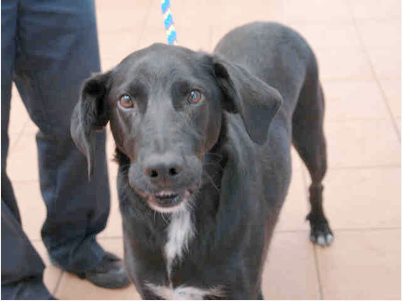
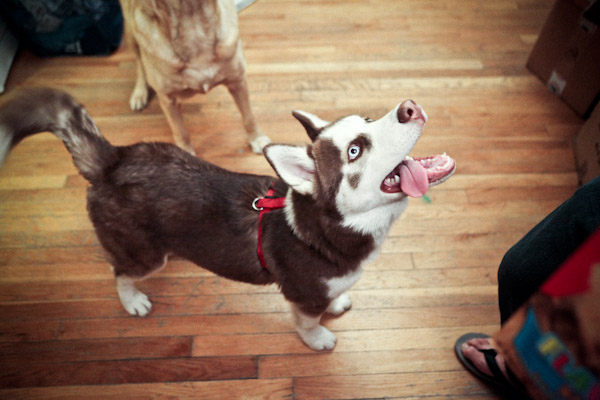
You adopted a new dog (or are at least thinking about it). Congratulations! Your new family member will bring you laughter and love but how you introduce your dog to your house and your life will make a huge difference between success and STRESS! Go Slow -You know your dog has found his forever home but he has no idea who you are or how long you will be around. Any dog that has been in rescue has been under stress and at some point in his life, people have proven themselves to be unreliable. As a result, it’s normal for your dog to pace, pant, drool, whine, bark, and even seem a little distant when you first bring him home. He is simply trying to figure out if he is safe and if you are really sticking around. To help him adjust, take him on a short walk when you first get home and then keep him on leash as you take him around the house and let him explore every room. You may have to do this several times with him in order to make your house, his home. Newly Dating - You are embarking on a new relationship with your dog and, just like a newly dating couple, time together should be stress free and fun. So although you may be dying to take your dog to the dog park, have all the neighbors over to meet him, or bring him to the local street festival, your dog would much prefer spending quality, quiet time at home with you for the first 2-3 weeks so that he can bond with you. Rules Rule - Dogs are most happy when they have rules. Having a dog come into a new home is similar to you starting a new job. You are anxious to do well and want people to like you but when you ask your boss when you should be at work, what is expected of you, or even where you desk is, he doesn’t give you any clear guidance. Would you find that fun or stressful? The same is true for your dog. He wants to make you happy and in order to do that he needs to know what the rules are and how to succeed. Make sure he sits before you give him food, take him on a walk, or open a door. Keep him on leash in the house (when you are home) so that you can quickly stop and redirect him if he starts to do something wrong. Teach him basic obedience commands so you can communicate with him with words besides NO. Keep him off the furniture. Keep a routine so he knows when he is going to be fed and walked. All of these things will help him settle in quickly to your life which is what he wants most. Supervision - Your new dog may not have lived in a house in a long time so keep an eye on him so you can provide the needed feedback to set him up for success. Assume that he isn’t housebroken. Close all the doors to spare rooms and make sure he is given frequent potty breaks. Give him amble toys to chew on and if he starts to destroy something he shouldn’t (for some dogs a chair looks like a fancy stick), tell him No, but then show him what he should chew on. Go out in the backyard with him so he doesn’t try to jump the fence or dig a hole. Watch him when he is around new dogs or kids so you can make sure he isn’t stressed and if he is uncomfortable, remove him from the situation. Forgiveness - This is the key to all healthy relationships. If your new dog pees in the house, destroys a pillow, barks at the neighborhood dog, or jumps on you, please remember that he isn’t trying to be a “bad dog”. He just needs you to give him some guidance, patience, and forgiveness as he learns how to be your “best dog”. |
|
August, 2012
|
SUMMER VACATION |
July, 2012

|
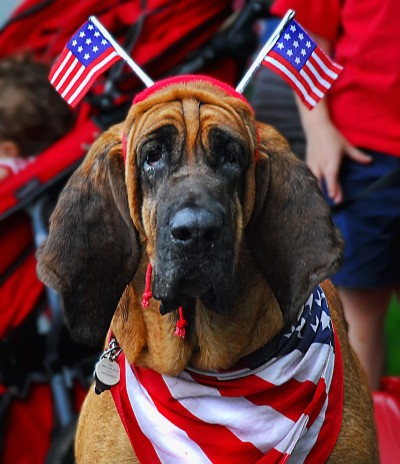
How can I keep my dog safe on July 4th?
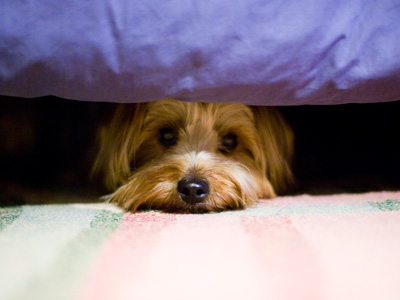
Great question! Even though July 4th is a fun day for us humans, it is a scary holiday for most pups. To help keep your dog safe and happy, follow these 5 tips. Up to Date: July 4th is the biggest day of the year where dogs run away because they are spooked by the fireworks. In order to ensure your dog makes it back home safely, make sure your dog is wearing a collar with ID tags that have your current information. If you are going out of town and your dog is being taken care of by someone else, make sure he has that person’s information on his collar too. Exercise: Your dog should get tons of exercise earlier in the day so that he is nice and tired by the time evening comes. Remember that a tired dog is a happy and relaxed dog. Also, make sure to take him out to potty before the fireworks. Leave him at home: Although the parades, picnics, parties, and fireworks are great, many dogs would rather be left home alone then deal with the crowds and scary sounds. For the firework show itself, make sure your dog is inside the house and in a nice quiet, safe place. A bedroom with a yummy bone, and the TV turned up to help block out the firework sounds works great. Things to help: If your dog is extremely scared of fireworks, make sure to consult your vet for a tranquilizer for the night. You can also use more natural remedies like the Thunder Shirt, an anti-anxiety vest, or homeopathic calming tools like Rescue Remedy or the DAP Diffuser. If you are going to use any of these remedies, make sure to try them BEFORE July 4thso you can figure out what works best for your dog. Prepare for next year: There are several great sound desensitization CDs, like Calm Pet by Calmsound, that will help any pup feel more comfortable with fireworks as well as other scary sounds like garbage trucks and motorcycles. Most CD’s have to be used over a 3-5 months in order for work but they can make a big difference in your dog’s comfort level with loud sounds. |
June, 2012
|
Separation Anxiety
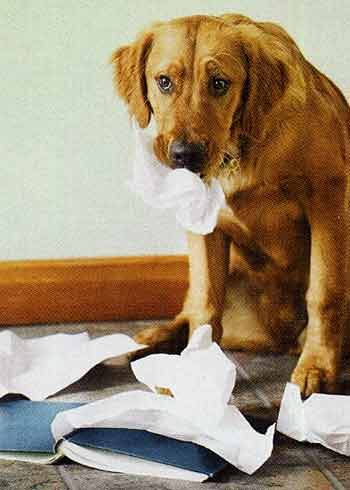
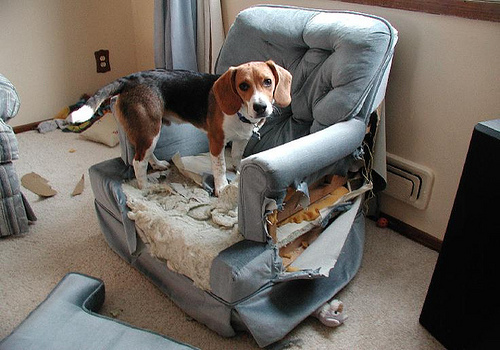
Separation Anxiety can be very frustrating for new owners of rescue dogs since a dog with SA will often whine, dig, bark, excessively salivate, cause destruction (like scratching at doors, chewing through crates), and/ or pee and poop in the house when the owner isn’t home. The first thing to remember is that your dog is not doing this because he is mad at you, or to be a “bad dog”. As a result, punishment and anger will not work. Your dog is acting out because he is panicked that when you leave, you may not come back. After all, he is a rescue dog, so at some point in his life someone DID leave and not come back. There are several things you can do to help your pup feel secure: Calm Exits/Entrances It is best to ignore your pup or say a simple goodbye and hello when you come and go. If you make emotional filled exits and entrances, telling your dog over and over that everything is going to be okay or get really excited with them when you get home, then your dog is going to be convinced that leaving him is a big deal because you always get so emotional! Come and Go and Come and Go The more you come home and leave the faster your dog is going to learn that you aren’t abandoning him. Pick up your keys, put on your jacket, walk out the door, then turn around and walk back in. Do it again and again. Your goal is to be able to leave and come back before your dog gets upset. For some dogs that may mean you leave only for a few seconds. For other dogs, you may be able to walk out the door for several minutes. As your dog gets more comfortable, increase the time that you leave. Break the Pattern Some dogs start to get nervous before you even leave. They learn to recognize“work clothes” or when you are getting ready to go out for the evening. If you can break this association, it will help your dog be more relaxed when you actually leave. Put your shoes on, pick up your keys, and then sit down on the couch. Get dressed and then take out the trash. Do your hair and then watch a movie. Tired Pups are Happy Pups If your dog is properly exercised, he will be happy and balanced which will help to reduce his anxiety. Make sure your dog always gets exercise before you are going to be gone for long periods of time. If you don’t have enough time to take your dog on a long walk or run before work in the morning, then you can outfit him with a dog backpack with a little weight (soup cans or water bottles work great). This way your dog will work extra hard and get tired faster. Make puppy alone time fun! Find your dog’s most favorite food item/bone. It must be their “doggy caviar” and something that will take them awhile to eat. A Kong stuffed with peanut butter and then frozen works well. As do knuckle bones. Your dog is only going to get this item when you are gone. This way, your leaving is a good thing because he gets an amazing treat. Get Some Help There are also several products on the market that could help to reduce your dog’s separation anxiety. The DAP collar, DAP Diffuser, Rescue Remedy, and Thunder Shirt can all help. All dogs are affected differently with these products. Try them one at a time to see what works for your individual pup. For severe separation anxiety that is not getting better with traditional training, there are also prescription drugs like Reconcile that are available from your vet. |
May, 2012
|
Question:
|
February, 2012
Pick A Collar
Question:
When I go to the pet store, there are so many different types of collars!
How do I know what I should use on my dog?
Answer:
Great question!
There are many different things to consider when picking a collar.
But remember, that no matter which you chose, there is no “quick fix” in training and that your dog will also need lots of treats, praise, and guidance to become the good dog you are looking for.
When I go to the pet store, there are so many different types of collars!
How do I know what I should use on my dog?
Answer:
Great question!
There are many different things to consider when picking a collar.
But remember, that no matter which you chose, there is no “quick fix” in training and that your dog will also need lots of treats, praise, and guidance to become the good dog you are looking for.
|
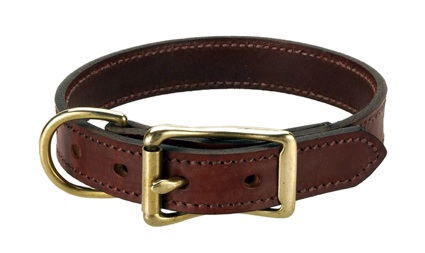
Flat Buckle Collar
Every dog should wear one with ID tags attached. If it is a young dog that goes to dog parks frequently or has another dog at home that he/she plays rough with, the collar should have a snap buckle that can easily be released if the dog gets tangled up with another dog. The collar should fit be comfortable and fit about 2 fingers between the collar and the dog’s neck. |
|
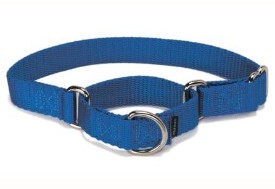
Martingale Collar
This is a great collar for dogs that pull a little or one’s that like to slip out of their collar. The chain martingales are the best since they release easier and the sound from the chain correction helps to train the dog to not pull. The collar should fit tight around the dog’s neck. This collar should only be on during walks since it tightens around the dog’s neck and can cause injury if this happens by accident when the owner is not home. |
|
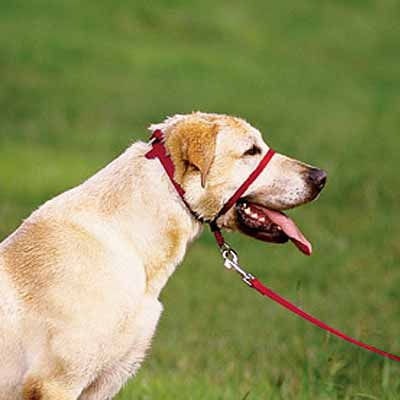
Gentle Leader/Halti/Snoot Loop
This is not a muzzle. It’s great for dogs that are strong pullers or dog’s that are reactive to other dogs. The owner should desensitize the dog to the collar for a week in the house before they start using it on a walk. If the dog is extremely reactive, the gentle leader should be attached to a martingale collar to assure that the dog won’t break free from the owner during a reaction. |
|
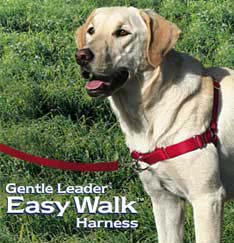
Easy Walk/Sensation Harness
This is a great option for small dogs that pull or larger dogs that do not desensitize to the gentle leader. Most dogs show instant improvement in their leash manners. Many owner’s put the harness on wrong. The different color strap should be underneath the dog’s legs. |
|
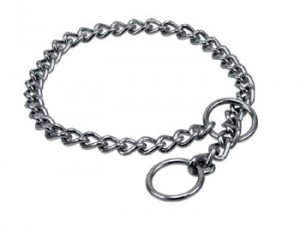
Chain Collar
The chain collar is not a good option for most pet owners since the collar is frequently used wrong and becomes a “choke chain”. The excessive pressure on the neck can cause health issues for the dog. If someone is on a chain collar, they should switch to a martingale collar immediately. |

|
Prong Collar
These collars are very powerful and should only be used in very limited circumstances, under the advice and guidance of a professional trainer very strong and confident dogs. They should never be put on small or fearful dogs. |
January, 2012
|
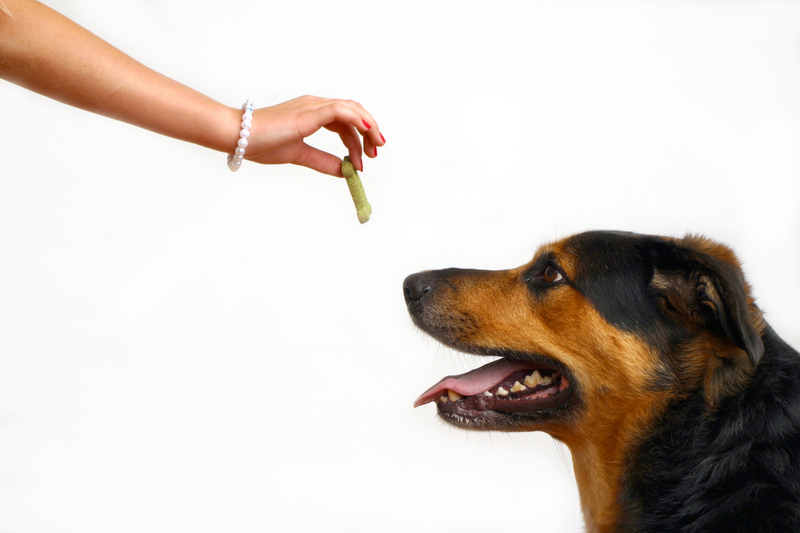
Treat TipsQuestion: I just got a new dog and want to use treats to help train him but I don’t know how to. Any tips? Answer: Treats are a great motivator for your pup and should be used throughout training! A high quality, tasty treat works best. You want a treat that your dog absolutely loves since that will give him the motivation to learn new commands. Soft treats work best since they are easy to break. The treat should be small. You do not want to give your dog a whole bone or a large treat every time he does a command. The dog will quickly become full and will no longer be interested in learning. The ideal size of the treat should be the size of a dime. Yes, a dime! In the beginning you want to give your dog a treat every time he performs a new behavior. This helps to show your dog that he is on track and motivates him to continue to learn. Make sure to praise him every time too. So it should be “good boy!” as you give him the treat. Timing is critical! If you ask your dog to sit, he sits, and then as you fumble for your treat he gets up and walks away, you have missed your opportunity to reward the good behavior. So be ready to reward within 1-2 seconds after the dog does the behavior you are looking for. Once your dog starts to become “fluent” in his new command, it is important to fade out the treats so the dog will listen to you even when you don’t have anything in your hand. To do this, you want to turn your dog into a gambler. Give him a treat the first time, then the 3rd time, then 4 treats the 10th time, and so on. For your dog, “winning” a treat, becomes just like someone sitting at the slot machine hoping to win the jackpot. Your dog will never know when he will get lucky so he will play all day long. |
December, 2011
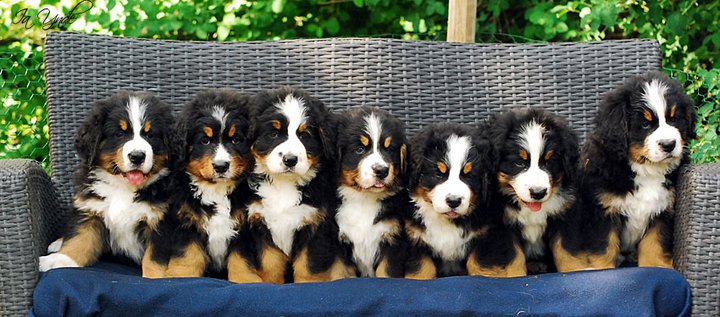
Bernese Mountain Dog Puppies
Puppy Play Time!
Play is an important part of the puppy's life. Not only does it give him an outlet for his puppy energy but it is increases your bond with him and since you are the one creating the proper games and setting the rules.
Remember a tired puppy is a GOOD puppy!
There should be at least two 30-45 minute exercise sessions per day.
Long walks, fetch, and dog parks are a great way to burn energy.
Do not jog with the puppy on pavement or for long distances before he is 1 years old since it could cause physical problems later in life.
Be sure that YOU decide when a game should start or end. For example, if he drops a ball in your lap, do not begin a game of fetch. Instead wait for a time that is convenient for you and then encourage the puppy to play.
Do not rough house with the puppy or engage in any type of play that encourages him to be “mouthy”, growl or jump because, although these
behaviors can be cute when he is young, you are reinforcing bad habits that will
be difficult to get rid of later when he is full grown.
Do not play “chase” with your puppy because it shows him that
running away from you is really fun so he is less likely to“come” when you call
him. Instead, make sure he always chases you.
Have Fun! Playtime should be fun for you and your puppy so enjoy it!
Play is an important part of the puppy's life. Not only does it give him an outlet for his puppy energy but it is increases your bond with him and since you are the one creating the proper games and setting the rules.
Remember a tired puppy is a GOOD puppy!
There should be at least two 30-45 minute exercise sessions per day.
Long walks, fetch, and dog parks are a great way to burn energy.
Do not jog with the puppy on pavement or for long distances before he is 1 years old since it could cause physical problems later in life.
Be sure that YOU decide when a game should start or end. For example, if he drops a ball in your lap, do not begin a game of fetch. Instead wait for a time that is convenient for you and then encourage the puppy to play.
Do not rough house with the puppy or engage in any type of play that encourages him to be “mouthy”, growl or jump because, although these
behaviors can be cute when he is young, you are reinforcing bad habits that will
be difficult to get rid of later when he is full grown.
Do not play “chase” with your puppy because it shows him that
running away from you is really fun so he is less likely to“come” when you call
him. Instead, make sure he always chases you.
Have Fun! Playtime should be fun for you and your puppy so enjoy it!
November, 2011
Dog Talk
Becoming fluent in “dog talk” is the most important thing you can do for your pup because it will prevent a life time full of misunderstandings.
Often times, your pup is trying to tell you that he is STRESSED OUT!
Because most owners don’t understand what he is saying, they fail to help the pup feel comfortable or address his fear.
This convinces the pup that the situation is indeed scary (the trash truck, housekeeper, or new neighborhood dog could all be intimidating for your pup) and that he is on his own in the world because you’re not listening to him!
As a result, he is more likely to act out or become aggressive instead of looking to you for guidance.
Keep in mind that all these behaviors are normal and none of them happen in a vacuum so you must look at the whole dog to decide what he is trying to tell you. As long as you look (aka listen) to your dog, he will show you exactly how he feels.
Yawning
–A common way for dogs to relieve stress.
If your pup is not just waking up from a nap when he yawns, then he is telling you he is stressed.
Teeth chattering
– Seen both when dogs are stressed or highly aroused with excitement (i.e. right before play).
Lip Licking
– With no treat in sight, tongue curls up and licks front or side lips to signal stress.
Excessive panting
– If your pup suddenly starts panting like he just then he is nervous about the change in his environment.
Pacing
–Constant walking in circles or back and forth even as you stand still, indicates an inability to settle and is therefore a sign of stress.
Tucked tail and pinned ears
– This is in relation to the normal tail carriage of your puppy. If your dog does this it means I’m scared!
Please don’t hurt me.
Hackling
– Rising of the hair on the neck, shoulders, and back.
This means a dog is aroused.
It doesn’t mean he is always aggressive he could just be very excited.
Look Away
– A deliberate turn of the head away from an item, dog, or person.
It means “I am no threat and I’m trying to do what you ask.”
The list above is just a few things your pup does to try and communicate with you!
There are many books and videos on the market that can provide you even more guidance.
The Other End of the Leash by Tricia McConnel, Don’t Shoot the Dog by Karen Pryor and the DVD The Language of Dogs are all great resources.
Dog Talk
Becoming fluent in “dog talk” is the most important thing you can do for your pup because it will prevent a life time full of misunderstandings.
Often times, your pup is trying to tell you that he is STRESSED OUT!
Because most owners don’t understand what he is saying, they fail to help the pup feel comfortable or address his fear.
This convinces the pup that the situation is indeed scary (the trash truck, housekeeper, or new neighborhood dog could all be intimidating for your pup) and that he is on his own in the world because you’re not listening to him!
As a result, he is more likely to act out or become aggressive instead of looking to you for guidance.
Keep in mind that all these behaviors are normal and none of them happen in a vacuum so you must look at the whole dog to decide what he is trying to tell you. As long as you look (aka listen) to your dog, he will show you exactly how he feels.
Yawning
–A common way for dogs to relieve stress.
If your pup is not just waking up from a nap when he yawns, then he is telling you he is stressed.
Teeth chattering
– Seen both when dogs are stressed or highly aroused with excitement (i.e. right before play).
Lip Licking
– With no treat in sight, tongue curls up and licks front or side lips to signal stress.
Excessive panting
– If your pup suddenly starts panting like he just then he is nervous about the change in his environment.
Pacing
–Constant walking in circles or back and forth even as you stand still, indicates an inability to settle and is therefore a sign of stress.
Tucked tail and pinned ears
– This is in relation to the normal tail carriage of your puppy. If your dog does this it means I’m scared!
Please don’t hurt me.
Hackling
– Rising of the hair on the neck, shoulders, and back.
This means a dog is aroused.
It doesn’t mean he is always aggressive he could just be very excited.
Look Away
– A deliberate turn of the head away from an item, dog, or person.
It means “I am no threat and I’m trying to do what you ask.”
The list above is just a few things your pup does to try and communicate with you!
There are many books and videos on the market that can provide you even more guidance.
The Other End of the Leash by Tricia McConnel, Don’t Shoot the Dog by Karen Pryor and the DVD The Language of Dogs are all great resources.
October, 2011
I want to start exercising again - with my dog.
Question: My new commitment is to start exercising again and I’d like my dog to join me! We both could use it!
I’m worried about how to start his exercise program so he doesn’t get hurt.
Answer: Active dogs are happy dogs but it’s our job to make sure our four legged exercise companions stay healthy and injury free as they start to get in shape.
First, Make sure your dog is old enough to start an exercise program that includes jogging or intense cardiovascular workouts. Dog’s bodies don’t fully mature until they are 12-18 months old so stressful exercise before that can cause long term joint damage.
Once your dog is of age, build any exercise program slowly to give your pup‘s body time to adjust to their new routine. Start with a one mile run instead of ten!
Second, As your dog starts working out with you, make sure to carefully watch for any injuries. Dogs want to make us happy and many won’t show signs of joint pain or muscle injury during exercise. So check your dog everyday for soreness or tenderness especially on their legs, hips, and paws (remember they aren’t wearing the new air cushioned tennis shoes like you!).
Third, Beware of overheating.
Dogs can’t cool their body as effectively as humans so Fido will start to feel the afternoon heat before you.
Also, dogs cool themselves thru panting and the pads on their paws so if the pavement is hot, it means they may not only injure their pads but they won’t be able to stay cool.
Make sure to watch your dog for signs of heat stroke on warm days and carry plenty of water.
Finally,
Remember that fuel is key! As your dog starts to exercise, his nutritional needs may change as his body starts to burn more fat and increase muscle. Your vet will be able to help you make sure that your dog is eating the proper food and getting any needed supplements.
I want to start exercising again - with my dog.
Question: My new commitment is to start exercising again and I’d like my dog to join me! We both could use it!
I’m worried about how to start his exercise program so he doesn’t get hurt.
Answer: Active dogs are happy dogs but it’s our job to make sure our four legged exercise companions stay healthy and injury free as they start to get in shape.
First, Make sure your dog is old enough to start an exercise program that includes jogging or intense cardiovascular workouts. Dog’s bodies don’t fully mature until they are 12-18 months old so stressful exercise before that can cause long term joint damage.
Once your dog is of age, build any exercise program slowly to give your pup‘s body time to adjust to their new routine. Start with a one mile run instead of ten!
Second, As your dog starts working out with you, make sure to carefully watch for any injuries. Dogs want to make us happy and many won’t show signs of joint pain or muscle injury during exercise. So check your dog everyday for soreness or tenderness especially on their legs, hips, and paws (remember they aren’t wearing the new air cushioned tennis shoes like you!).
Third, Beware of overheating.
Dogs can’t cool their body as effectively as humans so Fido will start to feel the afternoon heat before you.
Also, dogs cool themselves thru panting and the pads on their paws so if the pavement is hot, it means they may not only injure their pads but they won’t be able to stay cool.
Make sure to watch your dog for signs of heat stroke on warm days and carry plenty of water.
Finally,
Remember that fuel is key! As your dog starts to exercise, his nutritional needs may change as his body starts to burn more fat and increase muscle. Your vet will be able to help you make sure that your dog is eating the proper food and getting any needed supplements.
September, 2011
7 EASY TIPS FOR CHOOSING A DOG TRAINER
Picking a dog trainer can be just as important as picking a dog since this new expert will help you learn how to communicate, teach and fix any problem behaviors you may be having with your pooch.
What many people don’t know is that anyone can call themselves a dog trainer or behaviorist because there is no government regulated national school or certification. Many individual organizations provide certification that sounds official but these “titles” are only as good as the program itself. So it’s important to be able to tell the difference between a professional dog trainer and one who just happens to like dogs.
Before deciding on a specific class or trainer, pet-owners should consider the following 8 tips:
Do a reference check – Ask where the person got their education, who they mentored with, and the last time they were at a conference. Be weary of “certifications”. Even though there are some wonderful organizations that test and certify trainers, many on-line schools will also certify a trainer after they have completed a simple on-line course.
The voice of experience – How many hours of hands-on dog training experience does the person have? This is important. It’s easy to read a few books and say you are a dog trainer, but without extensive hands on experience, you don’t know if the person is really able to observe, assess and modify dog behavior.
Reputation is everything – Ask to speak to former clients. Ask these clients if they enjoyed the class and if their dog showed improvement. These testimonials are often the best indicator of a trainer’s ability. Also, ask your veterinarian or other trainers in the area what they think of the trainer and her/his ability.
Size Matters – Ask the trainer how many dogs they allow in a class at one time. If it’s more than 6, you may not get the personalized instruction you deserve. Higher numbers in a class often show that the trainer is more interested in making money then helping you and your dog improve. Private classes will allow you to get personalized and customized training for your situation and needs.
Do they make promises they can keep? – Does the trainer promise to make every dog an obedience or agility champion? The truth is, not all dogs and owners are capable of this level of training so if the trainer promises you the world they are just trying to sell you on their class or service.
Can we talk? – Make sure the trainer is easy to understand. Ask her/him about their teaching method. You want someone that not only trains the dog but also stops to explain to you what they are doing, why, and how you can apply it to your specific situation.
Getting your money’s worth – Unless you are training for an advance obedience title, I do not recommend using trainers that charge a large flat fee for an unlimited amount of classes or consultations. If done right, training should be complete in 4-8 weeks and the learning should be permanent.
August, 2011
How to Train that new Pup!
Q: We just adopted our first dog. My husband and I grew up with cats so we have no idea how to train our pup. Help!
A: Congrats on your new pup!!
Below are the top 3 tips to make your training more effective since HOW you train is more important than HOW LONG you spend training.
Praise the victories
The most important step in training a well behaved dog is to praise the small victories. Often, we get so frustrated with a pup so when they finally sit after being told 10 times we don’t reward them, we just walk away or move onto the next thing that we were trying to do. This is the wrong thing to do. Praise them lavishly each and every time they do something right. Did they come to you? GOOD GIRL! GOOD BOY! Did they sit? GOOD Boy or GOOD GIRL and a treat! Did they stay? Wonderful! Remember that dogs increase behavior that feels good. If they sit when you tell them to, and they get praise, they will be more likely to sit the next time since sitting gave them a positive outcome. However, if they are being resistant to sitting and you tell her to sit 10 times and when she finally does, you, feeling frustrated at her non-response, simply say “good” and walk away, she will think, “Well sitting got me nowhere and in fact my owner just stopped paying attention to me. I guess the only way to get attention around here is to act up!”
Set her up for success
The second puppy pitfall to avoid is giving the dog too many tasks to do at once when she first starts training. For example; sit then stay then come then stay. Because your dog is just learning these commands, you are almost setting her up to fail since somewhere in the sequence
of events she will forget what she is doing and mess up. When she does, we correct her, thus erasing all of the positive stuff she did before she screwed up. So make sure to praise each and every step. Sit. Good! Stay. Good Job! Come. Wonderful!
The turtle always wins the race
Finally, move slowly when advancing a command. Don’t expect her to stay in one spot for 5 minutes one day and 20 minutes the next. She won’t be successful and the repetitive failures will cause her to shut down. You can also think of it this way: Which sounds better to you? Today you must pack your stuff, fly to Nepal and climb Mt. Everest; or I want to start training you to climb mountains, let’s go out for a short hike around town to
get you started? The small step sounds better huh? And as long as you continue to move forward you will still reach the same goal.
How to Train that new Pup!
Q: We just adopted our first dog. My husband and I grew up with cats so we have no idea how to train our pup. Help!
A: Congrats on your new pup!!
Below are the top 3 tips to make your training more effective since HOW you train is more important than HOW LONG you spend training.
Praise the victories
The most important step in training a well behaved dog is to praise the small victories. Often, we get so frustrated with a pup so when they finally sit after being told 10 times we don’t reward them, we just walk away or move onto the next thing that we were trying to do. This is the wrong thing to do. Praise them lavishly each and every time they do something right. Did they come to you? GOOD GIRL! GOOD BOY! Did they sit? GOOD Boy or GOOD GIRL and a treat! Did they stay? Wonderful! Remember that dogs increase behavior that feels good. If they sit when you tell them to, and they get praise, they will be more likely to sit the next time since sitting gave them a positive outcome. However, if they are being resistant to sitting and you tell her to sit 10 times and when she finally does, you, feeling frustrated at her non-response, simply say “good” and walk away, she will think, “Well sitting got me nowhere and in fact my owner just stopped paying attention to me. I guess the only way to get attention around here is to act up!”
Set her up for success
The second puppy pitfall to avoid is giving the dog too many tasks to do at once when she first starts training. For example; sit then stay then come then stay. Because your dog is just learning these commands, you are almost setting her up to fail since somewhere in the sequence
of events she will forget what she is doing and mess up. When she does, we correct her, thus erasing all of the positive stuff she did before she screwed up. So make sure to praise each and every step. Sit. Good! Stay. Good Job! Come. Wonderful!
The turtle always wins the race
Finally, move slowly when advancing a command. Don’t expect her to stay in one spot for 5 minutes one day and 20 minutes the next. She won’t be successful and the repetitive failures will cause her to shut down. You can also think of it this way: Which sounds better to you? Today you must pack your stuff, fly to Nepal and climb Mt. Everest; or I want to start training you to climb mountains, let’s go out for a short hike around town to
get you started? The small step sounds better huh? And as long as you continue to move forward you will still reach the same goal.
June, 2011
Moving Day!
Moving to a new place can be nerve-racking for your pooch because he is suddenly in a different environment with new smells, sounds, and people. However, a few simple tricks will help him settle into his new home quickly!
Moving day! Moving day can be stressful for people so imagine what it is like for your dog! To help make moving day easy for him, make sure that he is locked in a spare room with his favorite toys or out for the day with a trusted friend.
Unpack Fido's stuff first. We want to make sure that your dog understands that this is now home so unpack his toys, bed, food and dishes right away. Make sure that his things are in the same area as they were at your old home. For example, if the dog bed was in the master bedroom then put it in the master bedroom again.
Meet the neighbors! Your new home and the surrounding area are filled with different smells and people. Take Fido out for a walk and let him explore this new area. Give him extra time to sniff and investigate so he becomes familiar with his new neighborhood. Make sure that he is always on leash and that you clean up after him.
Update his information. Make sure that Fido is wearing a tag with your new phone number and address. Don't forget to update his micro chipped information too! Finally, if you have decided to take Fido to a new vet, make an appointment for a wellness check so you and your dog can meet the vet BEFORE there is an emergency.
Be Pro-Active. If Fido does not know his basic commands, then hire a trainer. You will be taking your dog on a lot of walks so make sure you can control him. Also, if he has any issues with barking, separation anxiety, or growling at other people or dogs be proactive and hire a trainer PRONTO. You want to make sure that Fido enjoys his new home and that your neighbors enjoy Fido.
Exercise! A tired dog is a happy dog. A dog with excess energy is more likely to bark, chew furniture and generally get into trouble. Make sure to give Fido at least 2 30-45 minute walks or runs per day.
Moving Day!
Moving to a new place can be nerve-racking for your pooch because he is suddenly in a different environment with new smells, sounds, and people. However, a few simple tricks will help him settle into his new home quickly!
Moving day! Moving day can be stressful for people so imagine what it is like for your dog! To help make moving day easy for him, make sure that he is locked in a spare room with his favorite toys or out for the day with a trusted friend.
Unpack Fido's stuff first. We want to make sure that your dog understands that this is now home so unpack his toys, bed, food and dishes right away. Make sure that his things are in the same area as they were at your old home. For example, if the dog bed was in the master bedroom then put it in the master bedroom again.
Meet the neighbors! Your new home and the surrounding area are filled with different smells and people. Take Fido out for a walk and let him explore this new area. Give him extra time to sniff and investigate so he becomes familiar with his new neighborhood. Make sure that he is always on leash and that you clean up after him.
Update his information. Make sure that Fido is wearing a tag with your new phone number and address. Don't forget to update his micro chipped information too! Finally, if you have decided to take Fido to a new vet, make an appointment for a wellness check so you and your dog can meet the vet BEFORE there is an emergency.
Be Pro-Active. If Fido does not know his basic commands, then hire a trainer. You will be taking your dog on a lot of walks so make sure you can control him. Also, if he has any issues with barking, separation anxiety, or growling at other people or dogs be proactive and hire a trainer PRONTO. You want to make sure that Fido enjoys his new home and that your neighbors enjoy Fido.
Exercise! A tired dog is a happy dog. A dog with excess energy is more likely to bark, chew furniture and generally get into trouble. Make sure to give Fido at least 2 30-45 minute walks or runs per day.
May, 2011
Want a new Dog?
Things to consider when searching for your perfect pooch.
Are you ready?
Most people are so excited to get a dog that they never stop to think about the true responsibilities of pet ownership. Are you ready to clean up diarrhea off of your favorite rug at 3am? Or take your dog out to toilet in the pouring rain? Are you ready to have your house take on that unique odor that only a dog lover could enjoy? Or have dog hair on your favorite outfit? If you can say yes to these questions, then read on!
What type of dog fits into your life?
Too many people find the dog they want and then, try to fit it into their current lifestyle. This often backfires once the Mastiff comes home to the small apartment or the 8 week old puppy has to stay alone for 10 hours as his parents go to work. Evaluate your life and what you want out of a dog. Be honest! How much time do you have for him? What type of activities do you want to do with him? Do you want a dog that sheds? Do you want a dog that can easily travel? Do you want a dog that can run all day or one that prefers to sit on the couch? Do you want an outgoing and dominant working dog or a soft and submissive lap dog? What will your life look like in the future? Do you want kids? Will your next job promotion require extensive trips? By truthfully answering these questions, it can help you to narrow down exactly what type of dog will work best for you and your situation.
Which type of personality?
This should be your main criteria for picking a dog. Too many people pick dogs based on sex or color. So many people say, “I picked him because I wanted a yellow male and he was the best looking one” or “I saw him at the shelter and he was so cute!”. Looks is the last thing you should consider when you choose a dog because your handsome new family member may not be so cute after he eats the cake sitting on the dinning room table! To have the most successful relationship possible, you want a dog that has a similar personality to you. If you like to exercise a lot and are a natural leader then you will be most happy with the energetic dominant dog. If you tend to be more easy-going, then the quiet submissive dog would be a better match.
What age?
Puppies are adorable but they take TONS of work. They need to be potty trained, socialized, and taught basic manners. They will chew up at least one of your favorite possessions and pee on your rug. But it can be one of the most enjoyable phases of a dog’s life. Adult dogs have already learned most of these behaviors so they take less work and can often adjust to your lifestyle faster. Older dogs tend to have less energy and are more content relaxing with you on the couch. These “golden years” can be some of the best years to have a dog but since they are further along in their lifespan, health problems are more likely.
What Breed?
Picking the breed of dog you want is also critical since each breed has certain characteristics that will give you a clue into what your dog may be like in the future. The same is true for mix breeds since a Lab mix is more likely to enjoy swimming than a Chihuahua mix. As you consider a breed think about size, energy level, grooming requirements, and temperament traits. But keep in mind that there is often a wide range of personalities within the same breed. Just because the puppy is a Lab does not mean it will necessarily make a good hunting dog.
Want a new Dog?
Things to consider when searching for your perfect pooch.
Are you ready?
Most people are so excited to get a dog that they never stop to think about the true responsibilities of pet ownership. Are you ready to clean up diarrhea off of your favorite rug at 3am? Or take your dog out to toilet in the pouring rain? Are you ready to have your house take on that unique odor that only a dog lover could enjoy? Or have dog hair on your favorite outfit? If you can say yes to these questions, then read on!
What type of dog fits into your life?
Too many people find the dog they want and then, try to fit it into their current lifestyle. This often backfires once the Mastiff comes home to the small apartment or the 8 week old puppy has to stay alone for 10 hours as his parents go to work. Evaluate your life and what you want out of a dog. Be honest! How much time do you have for him? What type of activities do you want to do with him? Do you want a dog that sheds? Do you want a dog that can easily travel? Do you want a dog that can run all day or one that prefers to sit on the couch? Do you want an outgoing and dominant working dog or a soft and submissive lap dog? What will your life look like in the future? Do you want kids? Will your next job promotion require extensive trips? By truthfully answering these questions, it can help you to narrow down exactly what type of dog will work best for you and your situation.
Which type of personality?
This should be your main criteria for picking a dog. Too many people pick dogs based on sex or color. So many people say, “I picked him because I wanted a yellow male and he was the best looking one” or “I saw him at the shelter and he was so cute!”. Looks is the last thing you should consider when you choose a dog because your handsome new family member may not be so cute after he eats the cake sitting on the dinning room table! To have the most successful relationship possible, you want a dog that has a similar personality to you. If you like to exercise a lot and are a natural leader then you will be most happy with the energetic dominant dog. If you tend to be more easy-going, then the quiet submissive dog would be a better match.
What age?
Puppies are adorable but they take TONS of work. They need to be potty trained, socialized, and taught basic manners. They will chew up at least one of your favorite possessions and pee on your rug. But it can be one of the most enjoyable phases of a dog’s life. Adult dogs have already learned most of these behaviors so they take less work and can often adjust to your lifestyle faster. Older dogs tend to have less energy and are more content relaxing with you on the couch. These “golden years” can be some of the best years to have a dog but since they are further along in their lifespan, health problems are more likely.
What Breed?
Picking the breed of dog you want is also critical since each breed has certain characteristics that will give you a clue into what your dog may be like in the future. The same is true for mix breeds since a Lab mix is more likely to enjoy swimming than a Chihuahua mix. As you consider a breed think about size, energy level, grooming requirements, and temperament traits. But keep in mind that there is often a wide range of personalities within the same breed. Just because the puppy is a Lab does not mean it will necessarily make a good hunting dog.
April, 2011
No Jumping!
Dogs jump to get attention and most of the time it works great!
It’s hard to ignore a dog when they are knocking you over! However, we can teach them more appropriate ways to get attention!
Make sure everyone ignores the dog when they first get home.
It’s hard to do but if every time someone walks through the door there is a mini party with the pooch then we can’t blame him or getting excited and jumping on them!
If your dog does jump, say no as you firmly walk into him (don’t raise your knew just take a few firm steps forward).
This clearly tells your dog that you don’t like what he just did. Plus, if he is backing up to get out of your way, he can’t rebalance and jump again. The only feed back your dog should get from you is the No.
If you start to lecture him or give him any eye contact, he may confuse your NO for a YES since he got your attention when he jumped.
When he stops jumping, lavishly praise him.
This will teach him that jumping equals correction but all four paws on the ground means he gets all the love he was looking for in the first place.
Most importantly, as you work on this jumping, we are also going to teach him that sitting is the absolute best thing to do in the whole world.
If he is constantly and consistently rewarded for sitting he will learn that sitting is the best way to get attention.
Make sure to reward him (even with a simple “good boy”) every time he sits.
Even if he just wanders into the room and sits down, stop what you are doing and praise him.
If he sits next to you when you are talking to someone, briefly stop the conversation and tell him good boy.
All of this positive reinforcement for sitting will decrease his frequency of jumping because it will teach him how to be polite in order to get attention.
No Jumping!
Dogs jump to get attention and most of the time it works great!
It’s hard to ignore a dog when they are knocking you over! However, we can teach them more appropriate ways to get attention!
Make sure everyone ignores the dog when they first get home.
It’s hard to do but if every time someone walks through the door there is a mini party with the pooch then we can’t blame him or getting excited and jumping on them!
If your dog does jump, say no as you firmly walk into him (don’t raise your knew just take a few firm steps forward).
This clearly tells your dog that you don’t like what he just did. Plus, if he is backing up to get out of your way, he can’t rebalance and jump again. The only feed back your dog should get from you is the No.
If you start to lecture him or give him any eye contact, he may confuse your NO for a YES since he got your attention when he jumped.
When he stops jumping, lavishly praise him.
This will teach him that jumping equals correction but all four paws on the ground means he gets all the love he was looking for in the first place.
Most importantly, as you work on this jumping, we are also going to teach him that sitting is the absolute best thing to do in the whole world.
If he is constantly and consistently rewarded for sitting he will learn that sitting is the best way to get attention.
Make sure to reward him (even with a simple “good boy”) every time he sits.
Even if he just wanders into the room and sits down, stop what you are doing and praise him.
If he sits next to you when you are talking to someone, briefly stop the conversation and tell him good boy.
All of this positive reinforcement for sitting will decrease his frequency of jumping because it will teach him how to be polite in order to get attention.
March, 2011
Confronting a loose dog
You are out on a nice walk with your pup when you suddenly see a loose dog. It’s a nerve racking experience but keeping a few tips in mind can help to make sure both you and your pup stay safe and happy.
Remember:
· Have Faith. Most loose dogs are only curious and will not attack.
· STAY CALM!! If you get nervous, your dog will get nervous, and then the other dog will get nervous. Instead turn and face the dog. If you run, the dog will normally start to chase you.
· Keep your dog on a loose leash and watch his body language. You should be able to tell from your dog if the other dog is safe.
· Non aggressive dogs will normally stop when they see you and maybe sniff the ground. They will then approach with a relaxed body and in a calm manner-sometimes even making a half circle.
If your dog starts to show extreme signs of nervousness, fear, or aggression or if the other dog is approaching in an aggressive manner then it you must act quickly to prevent further trouble.
· Be Confident! Stand up straight, face the dog and say "NO" in a loud and confident voice. This will stop most dogs in their tracks. As you continue to face the dog, slowly back away. Repeat the “NO” when the dog shows any forward movement. NEVER turn your back to the dog.
· Use a loud noisemaker such as a whistle or blow horn to scare the dog. Many pet stores now carry Pet Correctors which give off a loud sound when used.
· Buy (and learn how to properly operate) a repellant spray to use on attacking dogs
· If you have some yummy treats with you, throw them towards the loose dog to distract him.
· Pick up something from the ground to throw at the dog-like a rock or a stick, or trash can lid.
· If your dog is on a regular leash you can quickly swing the end of the leash in the air. The strange movement and sound can slow down the approaching dog.
Once you are safely out of the situation, make sure to report the lose dog to Animal Control.
Confronting a loose dog
You are out on a nice walk with your pup when you suddenly see a loose dog. It’s a nerve racking experience but keeping a few tips in mind can help to make sure both you and your pup stay safe and happy.
Remember:
· Have Faith. Most loose dogs are only curious and will not attack.
· STAY CALM!! If you get nervous, your dog will get nervous, and then the other dog will get nervous. Instead turn and face the dog. If you run, the dog will normally start to chase you.
· Keep your dog on a loose leash and watch his body language. You should be able to tell from your dog if the other dog is safe.
· Non aggressive dogs will normally stop when they see you and maybe sniff the ground. They will then approach with a relaxed body and in a calm manner-sometimes even making a half circle.
If your dog starts to show extreme signs of nervousness, fear, or aggression or if the other dog is approaching in an aggressive manner then it you must act quickly to prevent further trouble.
· Be Confident! Stand up straight, face the dog and say "NO" in a loud and confident voice. This will stop most dogs in their tracks. As you continue to face the dog, slowly back away. Repeat the “NO” when the dog shows any forward movement. NEVER turn your back to the dog.
· Use a loud noisemaker such as a whistle or blow horn to scare the dog. Many pet stores now carry Pet Correctors which give off a loud sound when used.
· Buy (and learn how to properly operate) a repellant spray to use on attacking dogs
· If you have some yummy treats with you, throw them towards the loose dog to distract him.
· Pick up something from the ground to throw at the dog-like a rock or a stick, or trash can lid.
· If your dog is on a regular leash you can quickly swing the end of the leash in the air. The strange movement and sound can slow down the approaching dog.
Once you are safely out of the situation, make sure to report the lose dog to Animal Control.
February, 2011
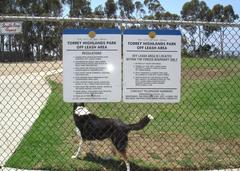
Dog Parks
Dog parks can be a great way to socialize and exercise your dog but it can also be extremely dangerous since dog fights are common.
To help minimize your risk and increase the enjoyment of the neighborhood dog park, follow the steps below.
· Most important!! Make sure your dog likes the dog park! Some dogs, like some people, would prefer to relax in their neighborhood instead of going to a crowded restaurant (or in your pup’s situation, a dog park) with a bunch of strangers!
· Make sure your dog is under voice control. This means that she must come to you when called and stop doing a behavior when told “No”. If you don’t have this basic control then you will have no way to help her if she gets into a dangerous situation.
· When you get to the parking lot take a few minutes to observe the dogs and people in the park. If you are uncomfortable for any reason…LEAVE
· Take your dog off leash before she enters the park. This will give her a greater ability to get away from trouble if it erupts but it will also help her to feel more comfortable.
· Move away from the gate as quickly as possible. The gate is the main area where dog fights start because dogs that are already in the park try to prevent new arrivals from entering.
· Don’t hang out with large groups of people. Lots of people go to the park to socialize. They sit around one table or stand in one area. As a result, the dogs cluster in this and there is a greater chance for a fight or disagreement (among the dogs AND the people). Plus, if you are busy chatting with a friend then you may miss the early warning signs of a pending dog fight.
· Heavily praise your dog every time she looks at you or comes up to you. This will encourage her to come to you more often and thus she will be more likely to listen when it is time to leave.
· Verbally reward your dog for all proper social interactions. Did she just allow a dog to sniff her? Good job! Did she more away from rough play? Good girl! Most dogs will look to their owner for guidance so make sure to show her which behavior you want!
· Be aware of any of the following changes in behavior of your dog or other dogs because they can be warning signs that a fight is going to start. If you see any of these signs quickly but calmly (being calm is key-if your dog is already nervous and then she sees that you are nervous it will make the situation 20 times worse!) get control of your dog so you can remove her from the situation.
A. Sudden change in flow of play
B. Change in vocalization
C. Hard eye contact or rigid body posture
D. Unevenly matched “play mates”
E. Excessive greeting postures or submission
F. Bully behavior
G. Pack/prey “play”
To find a dog park in your neighborhood, check the website of City owned dog parks:
http://www.sandiego.gov/park-and-recreation/general-info/dogs.shtml
Dog parks can be a great way to socialize and exercise your dog but it can also be extremely dangerous since dog fights are common.
To help minimize your risk and increase the enjoyment of the neighborhood dog park, follow the steps below.
· Most important!! Make sure your dog likes the dog park! Some dogs, like some people, would prefer to relax in their neighborhood instead of going to a crowded restaurant (or in your pup’s situation, a dog park) with a bunch of strangers!
· Make sure your dog is under voice control. This means that she must come to you when called and stop doing a behavior when told “No”. If you don’t have this basic control then you will have no way to help her if she gets into a dangerous situation.
· When you get to the parking lot take a few minutes to observe the dogs and people in the park. If you are uncomfortable for any reason…LEAVE
· Take your dog off leash before she enters the park. This will give her a greater ability to get away from trouble if it erupts but it will also help her to feel more comfortable.
· Move away from the gate as quickly as possible. The gate is the main area where dog fights start because dogs that are already in the park try to prevent new arrivals from entering.
· Don’t hang out with large groups of people. Lots of people go to the park to socialize. They sit around one table or stand in one area. As a result, the dogs cluster in this and there is a greater chance for a fight or disagreement (among the dogs AND the people). Plus, if you are busy chatting with a friend then you may miss the early warning signs of a pending dog fight.
· Heavily praise your dog every time she looks at you or comes up to you. This will encourage her to come to you more often and thus she will be more likely to listen when it is time to leave.
· Verbally reward your dog for all proper social interactions. Did she just allow a dog to sniff her? Good job! Did she more away from rough play? Good girl! Most dogs will look to their owner for guidance so make sure to show her which behavior you want!
· Be aware of any of the following changes in behavior of your dog or other dogs because they can be warning signs that a fight is going to start. If you see any of these signs quickly but calmly (being calm is key-if your dog is already nervous and then she sees that you are nervous it will make the situation 20 times worse!) get control of your dog so you can remove her from the situation.
A. Sudden change in flow of play
B. Change in vocalization
C. Hard eye contact or rigid body posture
D. Unevenly matched “play mates”
E. Excessive greeting postures or submission
F. Bully behavior
G. Pack/prey “play”
To find a dog park in your neighborhood, check the website of City owned dog parks:
http://www.sandiego.gov/park-and-recreation/general-info/dogs.shtml
January, 2011
Helping your Nervous Dog Gain Confidence in a Scary World
Some dogs are nervous or frightened in new situations-some people are too!
But how you handle this fear can make the difference between a well adjusted dog and a dog that is afraid of their own shadow.
To help your dog with their fears do the following:
Always be calm! Do not grab or chase the dog or force them into a situation because they are “acting silly”.
This will only confirm to them that the world is indeed scary and so are YOU!
Instead, use controlled body movement and a quiet voice.
This will help to show your dog that you are a good leader and that you do not intend to hurt them.
Many people want to tell their dog that “its okay, the (blank) won't hurt you.” This is meant to be reassuring but since dogs don't understand English they only sense the anxiety in your voice and think that you are scared too!
Instead, act happy and show them that there is nothing to be afraid of.
If they are afraid of an object (like a trash can) have a party with it!
It sounds silly but touch and talk to the object in a happy and excited voice.
If they see you interacting with “the monster” and not dying, they will start to think the object is okay!
If they continues to be scared after 3-5 minutes, remove them from the situation and try again later.
Be your dog's advocate! Many people do not know how to interact with a scared dog so they will invade the dog’s space trying to convince them that there isn’t anything to be afraid of but instead they confirm to your dog that they are scary!
So, make sure to be proactive and tell people to refrain from petting your pup if your dog seems uncomfortable.
Carry yummy treats or your dog's favorite toy.
If every time your dog comes across a “scary person or situation” they get a treat or special playtime with their favorite toy, it will help them to realize that the world is not that scary after all.
Do some obedience training.
Most fearful dogs are insecure.
They are afraid of making the wrong decision.
Through obedience training they not only learn that they can be successful, but that they can trust you.
Make sure that all training is done in a gentle and controlled manner.
Always set your dog up for success!
You want to build her confidence so only put them in situations where you know they will be confident and happy.
If you are asking them to complete the task, start at a very easy level and SLOWLY move forward.
This will help them to build confidence in themselfs as well as in you as a leader.
Praise the victories!
You probably won't see a big improvement overnight, but you will start to notice small victories.
Every time your dog does something good, praise them like they are the BEST DOG in the whole world.
Make sure to keep your praise and love at a level that your dog enjoys.
Many nervous dogs would prefer a soft and soothing rub to a hard pat on the top of the head.
But how you handle this fear can make the difference between a well adjusted dog and a dog that is afraid of their own shadow.
To help your dog with their fears do the following:
Always be calm! Do not grab or chase the dog or force them into a situation because they are “acting silly”.
This will only confirm to them that the world is indeed scary and so are YOU!
Instead, use controlled body movement and a quiet voice.
This will help to show your dog that you are a good leader and that you do not intend to hurt them.
Many people want to tell their dog that “its okay, the (blank) won't hurt you.” This is meant to be reassuring but since dogs don't understand English they only sense the anxiety in your voice and think that you are scared too!
Instead, act happy and show them that there is nothing to be afraid of.
If they are afraid of an object (like a trash can) have a party with it!
It sounds silly but touch and talk to the object in a happy and excited voice.
If they see you interacting with “the monster” and not dying, they will start to think the object is okay!
If they continues to be scared after 3-5 minutes, remove them from the situation and try again later.
Be your dog's advocate! Many people do not know how to interact with a scared dog so they will invade the dog’s space trying to convince them that there isn’t anything to be afraid of but instead they confirm to your dog that they are scary!
So, make sure to be proactive and tell people to refrain from petting your pup if your dog seems uncomfortable.
Carry yummy treats or your dog's favorite toy.
If every time your dog comes across a “scary person or situation” they get a treat or special playtime with their favorite toy, it will help them to realize that the world is not that scary after all.
Do some obedience training.
Most fearful dogs are insecure.
They are afraid of making the wrong decision.
Through obedience training they not only learn that they can be successful, but that they can trust you.
Make sure that all training is done in a gentle and controlled manner.
Always set your dog up for success!
You want to build her confidence so only put them in situations where you know they will be confident and happy.
If you are asking them to complete the task, start at a very easy level and SLOWLY move forward.
This will help them to build confidence in themselfs as well as in you as a leader.
Praise the victories!
You probably won't see a big improvement overnight, but you will start to notice small victories.
Every time your dog does something good, praise them like they are the BEST DOG in the whole world.
Make sure to keep your praise and love at a level that your dog enjoys.
Many nervous dogs would prefer a soft and soothing rub to a hard pat on the top of the head.